How to Make Kindergarten Settling Easier
Starting kindergarten is an exciting time for every child and parent. It’s a new place, with unfamiliar teachers, and it’s normal for parents to feel a bit uncertain and find it hard to let go. However, from my own experience, it’s much easier for the child if the mom who takes them stays positive and cheerful when dropping them off, and doesn’t start crying along with them (I know, it’s hard!). This small thing makes a huge difference during those first few days. Your child is in good hands at kindergarten, and it’s truly beneficial for them — they gain so many new experiences, make friends, and learn things they’ll proudly show at home later.
Before kindergarten started, we began giving our daughter vitamin C for a few weeks to help strengthen her immune system. It really helped us get through the first months more easily, when kids tend to catch small infections more often.
1. Preparing at Home
Start by introducing what kindergarten will be like in a playful way. Talk about the teachers, the toys, and the new friends they’ll meet.
You can even practice a “kindergarten day” at home — greetings, playtime, singing rhymes — it helps the child know what to expect.
If kindergarten starts earlier than usual, try waking your child a little earlier a few days before, so they can get used to the new morning routine.
2. Gradual Adaptation
There’s no need for your child to spend full days right away. It’s better to start with shorter visits and slowly increase the time they spend there.
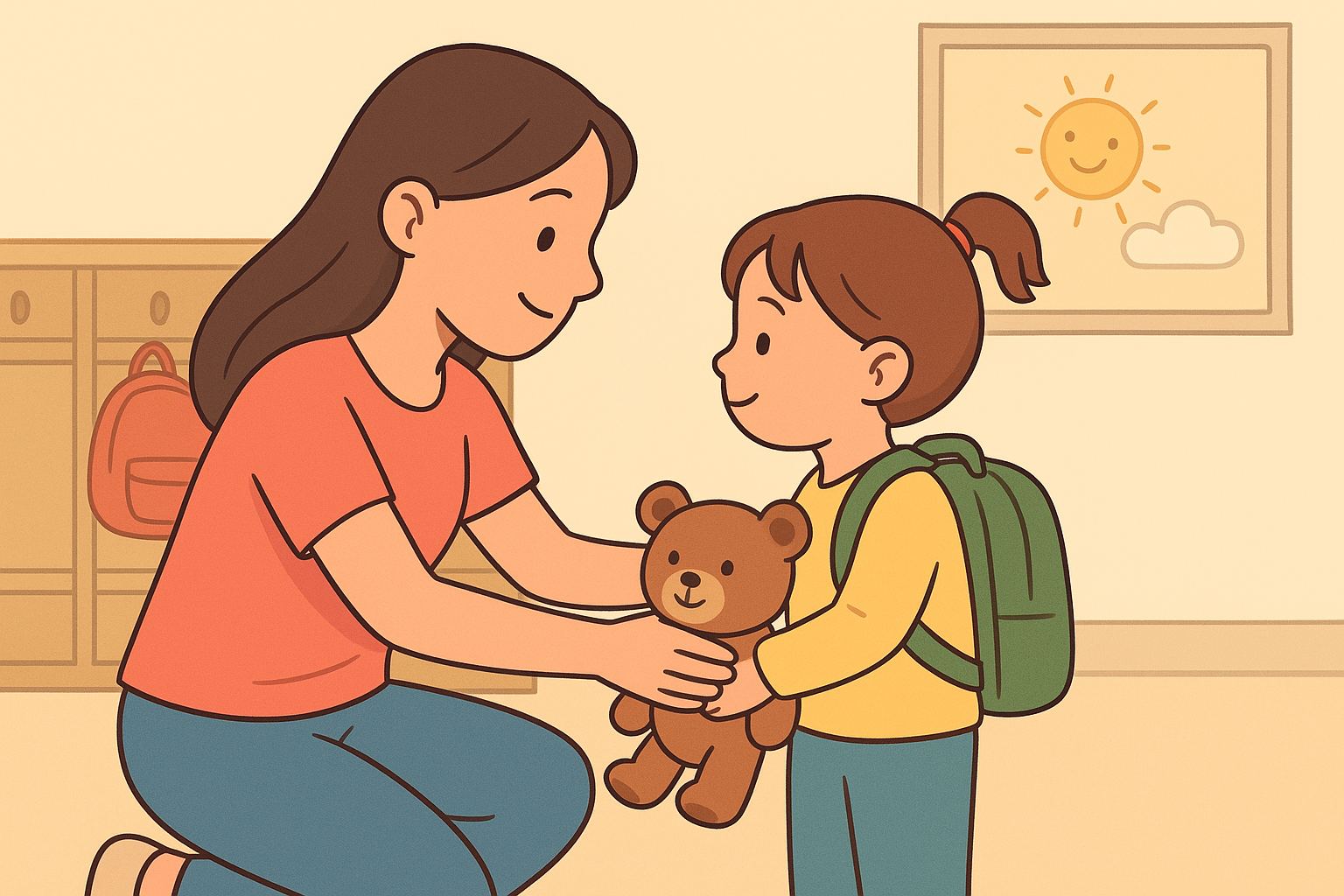
If your child can bring a favorite plush toy or comfort item from home, it can really help them feel safe and secure — especially during nap time.
3. Positive Goodbyes
Saying goodbye is often the hardest part. It’s so important for moms or dads to stay calm, smile, and encourage their child when they go in.
During the first few days, my daughter’s dad was the one who took her because he’s more confident and less emotional — and thankfully, she adapted quite quickly.
Don’t panic if your child cries when you leave. I know it’s hard to walk away like that, but it’s a natural reaction — and usually, they calm down within minutes once they’re inside with the group.
4. Communication with the Kindergarten
Most kindergartens have an open day before the year starts, where parents and children can meet the teachers and other families.
It’s good to speak openly with the teachers — share your child’s eating or sleeping habits, or any fears they might have.
Usually, there’s also a parent meeting during the first week, where they explain the weekly schedule and the upcoming activities for the year.
5. Play and Making Friends
Play is one of the best ways for children to adjust and make friends. Group games reduce anxiety and help develop social skills.
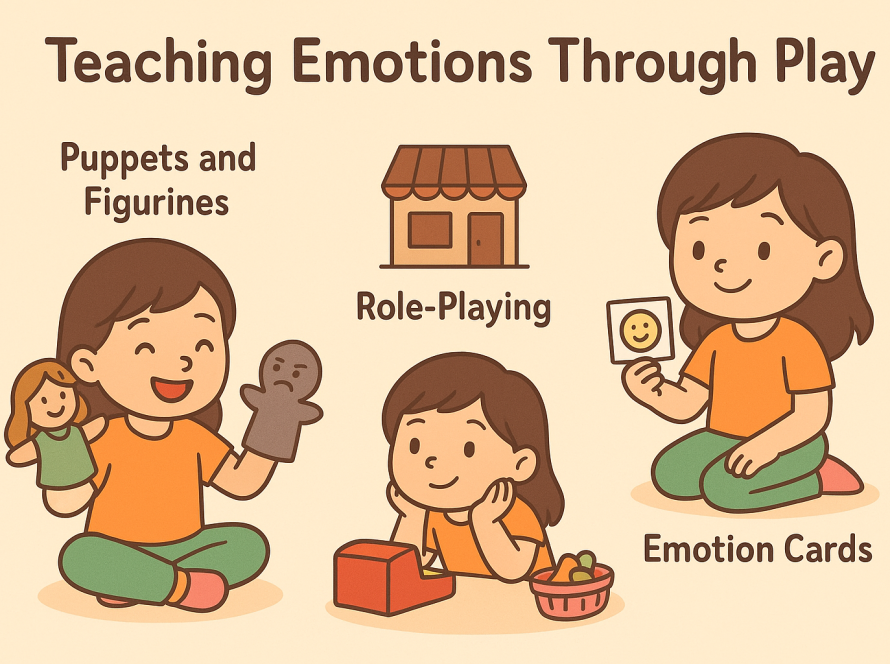
At home, you can play simple role-playing games that teach social rules or conflict resolution.
And don’t forget to praise your child for every little success — whether it’s making a new friend or joining in a group activity.
Our daughter loves to come home and recite the rhymes and poems she’s learned at kindergarten — it’s always the highlight of our evenings!
6. Patience
Every child adjusts differently to new environments. Avoid comparing them to others, and watch for signs — if your child cries too much, becomes withdrawn, or has trouble sleeping, they might just need a bit more time.
A predictable daily routine at home helps them feel safe and grounded.
Our mornings can be challenging — she often doesn’t feel like getting dressed or brushing her teeth — but turning it into a game or race works wonders. We compete to see who gets to the bathroom or gets dressed faster. It’s much easier than nagging or arguing, and it starts the day on a happy note.
Summary
Starting kindergarten is a big milestone for every family. Gradual adaptation, comfort items from home, play, open communication with teachers, patience, praise, and lots of talking all help make the transition smoother.
From experience, I can say that it’s so much easier for the child when the parent is calm, confident, and cheerful at drop-off. With a little positivity and consistency, your child will soon feel happy and safe at kindergarten — and you’ll both enjoy this new chapter together.