The Benefits of Educational Games for Preschoolers and Young Schoolchildren
Children are naturally curious — they want to explore, try new things, and discover the world around them. As parents, we often look for ways to keep them engaged and support their development. Educational games are perfect for this: they teach important skills through play while making learning enjoyable.
Why Educational Games Work
Kids learn best when they’re having fun. Educational games turn learning from a chore into a playful experience. They can help children:
- improve focus and concentration
- strengthen logical thinking and problem-solving skills
- develop language and communication
- practice numbers and letters in a fun, interactive way
Examples of How Games Teach
Educational games come in many forms. Some simple, effective examples include:
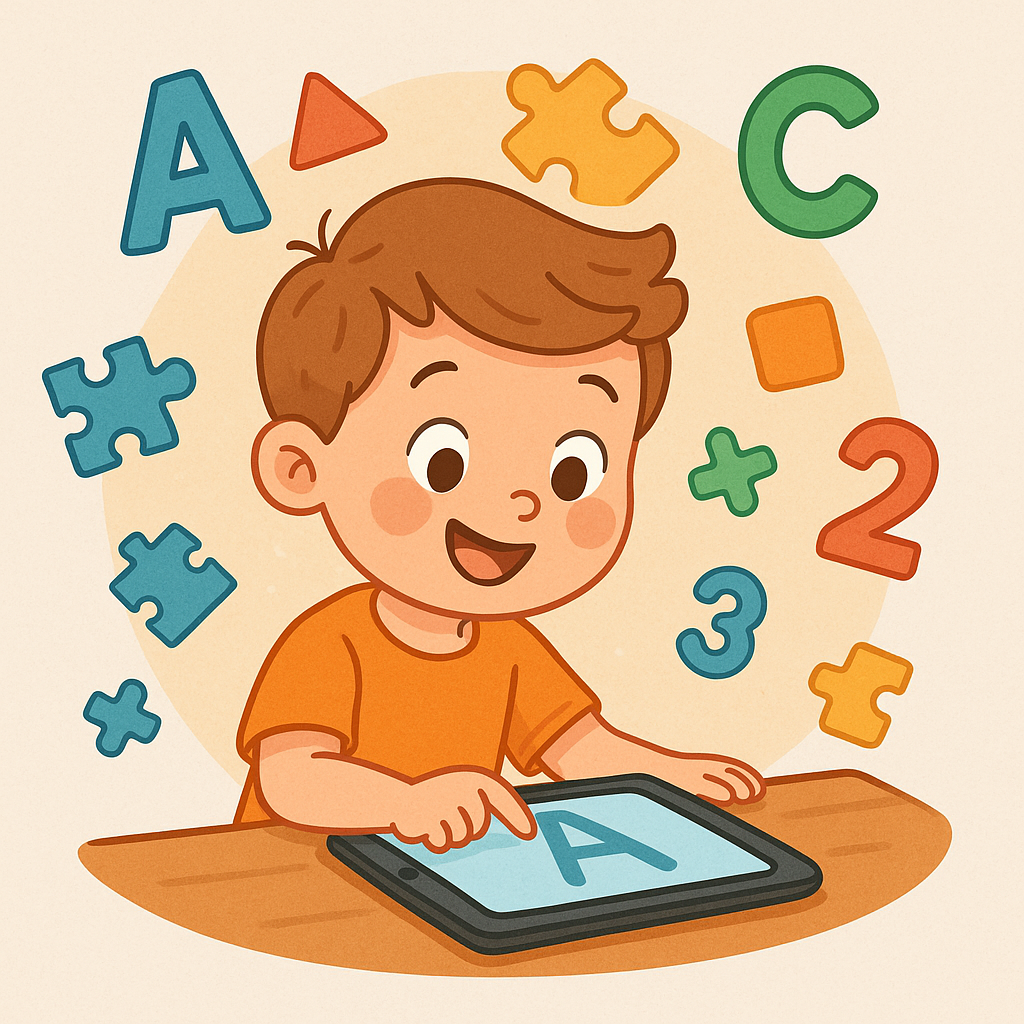
- Tracing ABCs and numbers with a finger: Helps kids practice letter and number shapes, improves fine motor skills, and lays the groundwork for handwriting.
- Letter ordering games: Kids put scrambled letters in the correct order, building logic and language skills.
- Puzzles: Develop spatial awareness, perseverance, and problem-solving.
- Tic Tac Toe: Teaches strategic thinking and planning ahead — all with very simple rules.
What Skills Do They Develop?
- For preschoolers: Recognizing colors, shapes, letters, and numbers, along with hand-eye coordination.
- For young schoolchildren: Focus, memory, problem-solving, language skills, and logical thinking.
Conclusion
Educational games aren’t just fun — they give children confidence in school-related skills. Whether it’s practicing letters and numbers, solving a puzzle, or learning to think strategically, every game is a small step in learning. And the best part? Kids often don’t even realize they’re learning because they’re having such a good time.