The World of Tales – Why We Love Fairy Tales So Much
Fairy tales and animated stories have been an inseparable part of childhood for generations. From classic bedtime stories passed down through families to colorful modern animations, these tales bring joy, comfort, and important lessons to audiences of all ages. But what makes these stories so enduring and special, even in today’s fast-paced world?
First of all, fairy tales are simple yet meaningful. They use clear characters and magical adventures to convey lessons about life. A brave hero, a clever animal, or a magical helper teaches children about friendship, kindness, courage, and the difference between right and wrong. Unlike more complicated stories, the messages in fairy tales are easy for young minds to grasp, helping children learn moral values in a gentle, entertaining way. For example, in stories where the underdog succeeds through clever thinking or bravery, children see that perseverance and honesty are rewarded, which can inspire them to apply these lessons in their own lives.
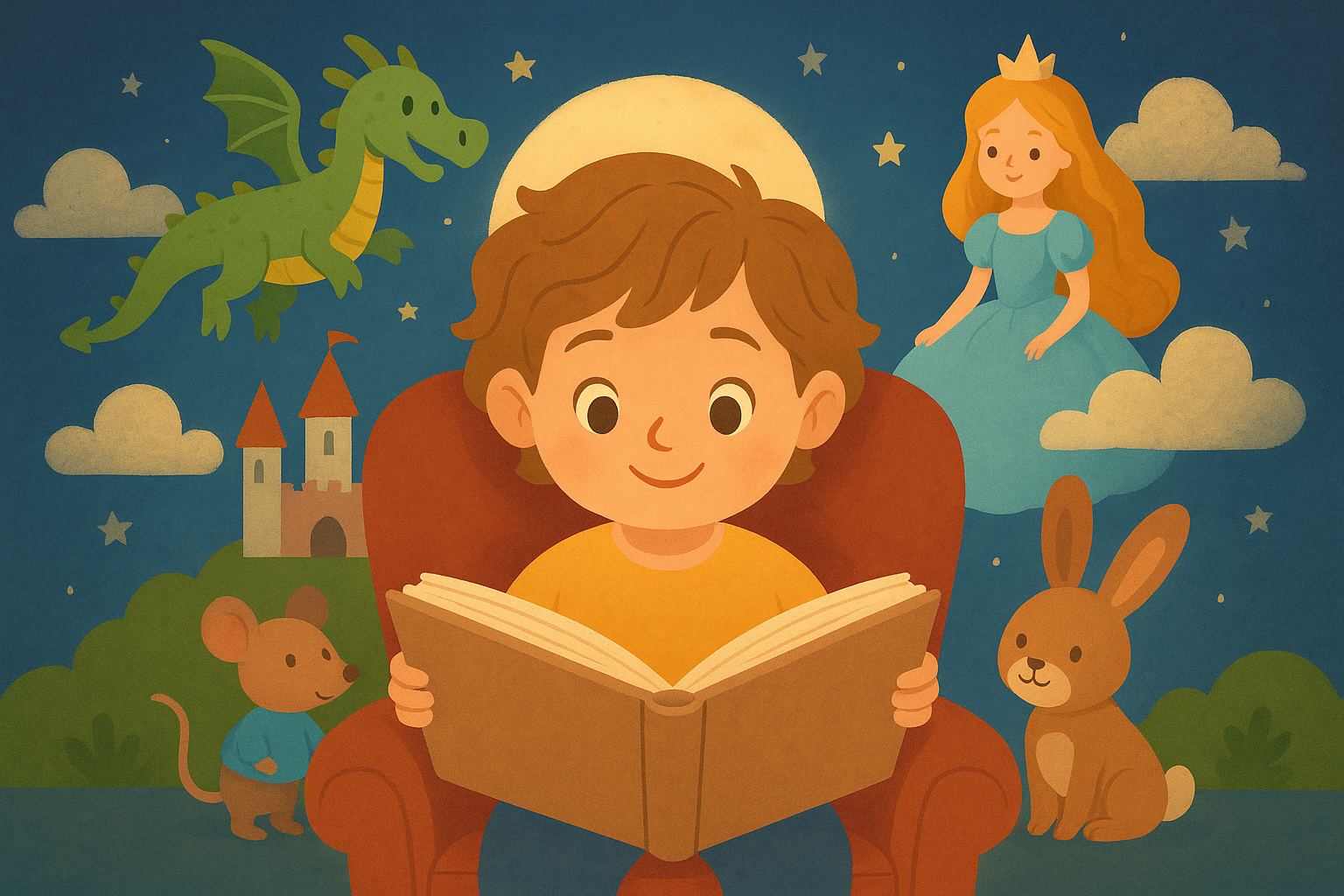
Fairy tales also play a powerful role in developing imagination. Listening to or watching a story allows a child to step into entirely new worlds. They might become a dragon rider, a princess, or an explorer of enchanted forests. This kind of imaginative play is more than just fun—it encourages problem-solving, creative thinking, and empathy. When children imagine themselves in different roles or see characters facing challenges, they learn to approach situations from multiple perspectives. Over time, this can improve their social skills and boost confidence, helping them navigate real-life situations more effectively.
Another reason fairy tales are so beloved is the sense of security they provide. Even when challenges and dangers appear, most stories have a reassuring resolution. A happy ending shows that difficulties can be overcome, and that justice and kindness matter. This sense of safety is especially important for young children, who are still learning to understand the world around them. Shared storytelling experiences, such as reading a tale together or watching an animated story, also strengthen family bonds. Parents and children can discuss characters’ choices, solve story-related puzzles together, or even act out scenes, creating meaningful conversations and memories.
Fairy tales can also help children deal with emotions. By seeing characters face fears, frustrations, or sadness, children learn that it’s normal to experience these feelings and that there are ways to cope. The stories provide a framework for understanding complex emotions and teach that problems can be solved with patience, cleverness, or support from friends and family. For example, a tale about a lost child finding their way home not only entertains but also gently reassures a child that feeling scared is temporary and manageable.
In addition, fairy tales encourage a love of reading and storytelling. When children are captivated by a story, they naturally want to explore more, ask questions, or create their own narratives. This develops literacy skills and nurtures curiosity. Over time, these early experiences can inspire lifelong learning and a habit of reading for pleasure. Parents and educators often notice that children exposed to rich storytelling are more imaginative, expressive, and confident in their communication.
Finally, fairy tales offer a little island of calm in a busy, noisy world. They allow children to slow down, dream, and reflect, which is increasingly important in today’s digital age. Even adults benefit from revisiting these stories, as they recall the magic of childhood and the simple yet powerful values that have shaped us. Fairy tales are not just entertainment—they are timeless companions that teach, comfort, and inspire.
In conclusion, the world of fairy tales is far more than a collection of entertaining stories. They teach morals, spark creativity, provide emotional security, and create shared experiences between generations. Whether read aloud at bedtime, watched as an animation, or retold in imaginative play, these tales continue to enrich childhood and remind all of us of the magic of imagination, courage, and kindness.